
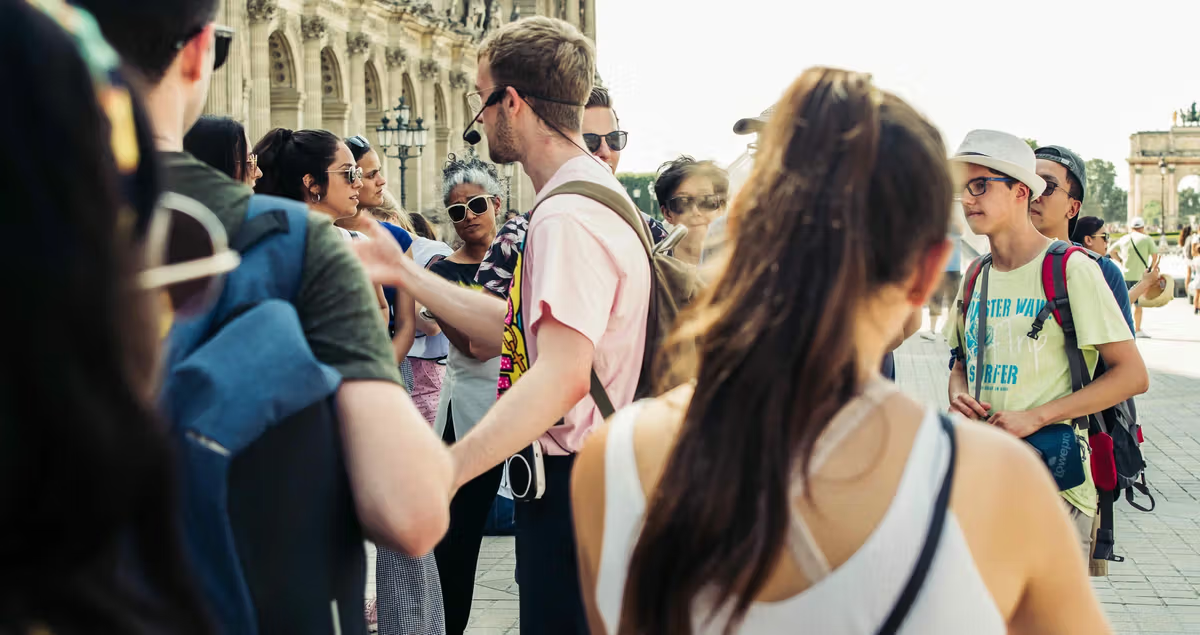
Tour guides are no longer simply narrators of historical facts or navigators through popular landmarks. In today’s dynamic tourism industry, they are experience curators, cultural mediators, and brand ambassadors for destinations. A skilled tour guide can transform an ordinary visit into an unforgettable journey by combining knowledge, interpersonal skills, and innovation. This article explores the advanced aspects of tour guiding, emerging trends, professional strategies, and best practices for enhancing modern travel experiences.
The Evolving Role of a Tour Guide
Beyond Traditional Guiding
Historically, tour guides were valued for their ability to provide factual information about landmarks, museums, or natural attractions. Today, their role has expanded to include:
-
Experience Curation: Designing personalized itineraries and interactive experiences that match travelers’ preferences.
-
Cultural Mediation: Acting as interpreters of local customs, traditions, and language nuances to ensure authentic engagement.
-
Safety and Logistics Management: Ensuring traveler safety, coordinating transportation, and managing schedules efficiently.
Emotional and Experiential Impact
The emotional impact a tour guide can create often defines the traveler’s perception of the destination. Engaging storytelling, humor, empathy, and adaptability contribute to lasting memories. Travelers are increasingly rating guides not only on knowledge but also on their ability to connect, inspire, and facilitate meaningful experiences.
Key Skills of an Advanced Tour Guide
In-Depth Knowledge and Specialization
Modern tourists expect insightful, nuanced content rather than surface-level information. Tour guides often specialize in:
-
Historical Contexts: Understanding the political, cultural, and socio-economic history of destinations.
-
Ecotourism and Sustainability: Knowledge of local ecosystems, conservation efforts, and responsible tourism practices.
-
Adventure and Thematic Tours: Expertise in hiking routes, culinary experiences, photography tours, or wellness journeys.
Specialization allows guides to tailor experiences, positioning them as experts rather than general narrators, increasing credibility and value.
Communication and Storytelling Skills
Effective communication is a cornerstone of successful tour guiding. Guides use storytelling techniques, narrative arcs, and cultural anecdotes to captivate audiences. Techniques include:
-
Interactive Engagement: Asking questions, encouraging participation, and creating discussion moments.
-
Multilingual Abilities: Communicating in multiple languages to accommodate diverse traveler groups.
-
Emotional Resonance: Using humor, suspense, or inspirational stories to evoke emotions and enhance retention of information.
Technology Integration
Tour guides increasingly leverage technology to enrich experiences:
-
Augmented Reality (AR) and Virtual Reality (VR): Offering immersive previews or layered historical insights during tours.
-
Digital Itinerary Management: Apps and GPS tracking enhance logistical efficiency and group coordination.
-
Social Media Integration: Encouraging travelers to share experiences while using interactive hashtags or geo-filters for marketing visibility.
Designing a High-Impact Tour Experience
Pre-Tour Preparation
Preparation is critical for delivering a seamless experience. Top-tier guides focus on:
-
Customizing Itineraries: Aligning routes, activities, and stops with traveler interests, group dynamics, and seasonal considerations.
-
Knowledge Updates: Staying current with historical discoveries, cultural shifts, or destination updates.
-
Safety Planning: Identifying potential risks, emergency contacts, and contingency strategies for unpredictable situations.
On-Tour Excellence
During the tour, guides create engagement through personalized interaction, storytelling, and dynamic management. Key strategies include:
-
Flexible Scheduling: Adjusting timing, pace, and stops to match group energy levels and interests.
-
Experiential Highlights: Organizing behind-the-scenes visits, hands-on workshops, and cultural interactions.
-
Behavioral Sensitivity: Recognizing and accommodating diverse traveler preferences, including accessibility needs or dietary restrictions.
Post-Tour Engagement
The impact of a tour guide extends beyond the tour itself. Post-tour engagement helps build loyalty, referrals, and repeat visitation:
-
Feedback Collection: Gathering traveler insights to refine future experiences.
-
Follow-Up Content: Sharing photos, additional resources, or cultural stories post-tour enhances value.
-
Community Building: Creating social media groups, newsletters, or traveler networks for sustained engagement.
Emerging Trends in Tour Guiding
Personalized and Niche Tours
Modern travelers seek unique, tailored experiences rather than generic sightseeing. Specialized tours can include:
-
Culinary and Gastronomy Tours: Showcasing local food culture, market visits, and cooking classes.
-
Wellness and Mindfulness Tours: Integrating yoga, meditation, spa visits, and nature immersion.
-
Adventure and Eco-Tours: Hiking, wildlife safaris, diving excursions, and sustainability-focused travel.
Digital and Hybrid Guiding
Technology has enabled hybrid approaches to guiding:
-
Virtual Tours: Pre-tour virtual experiences or supplementary digital content for enhanced learning.
-
Interactive Apps: Offering maps, language support, and AR historical overlays during in-person tours.
-
Remote Guiding Options: Live-streamed tours for global audiences unable to travel physically.
Sustainable and Ethical Practices
Modern tour guides emphasize responsible and sustainable travel, ensuring tourism benefits local communities while minimizing ecological impact:
-
Supporting Local Economies: Partnering with local artisans, restaurants, and cultural institutions.
-
Eco-Friendly Practices: Encouraging minimal waste, using sustainable transportation, and promoting conservation awareness.
-
Cultural Respect and Sensitivity: Educating travelers on local customs, taboos, and ethical behaviors.
Challenges Faced by Professional Tour Guides
Managing Diverse Traveler Expectations
Groups can vary widely in preferences, energy levels, and knowledge bases. Guides must balance historical education, entertainment, and interactive participation for heterogeneous audiences.
Maintaining Knowledge Currency
Destinations evolve, and historical interpretations change. Guides need continuous professional development to stay relevant and provide accurate insights.
Technological Adaptation
While technology enhances experiences, improper use can disrupt engagement. Guides must integrate tools seamlessly without overshadowing the human interaction element.
Stress and Crisis Management
Tours may face unpredictable situations such as extreme weather, transportation issues, or medical emergencies. Guides must remain calm, decisive, and communicative to maintain safety and trust.
Future Outlook for Tour Guiding
Tour guiding is increasingly professionalized, with growing recognition of its strategic importance in tourism. The future of tour guiding is shaped by:
-
Professional Certification and Training: Advanced courses in cultural interpretation, sustainable practices, and technology usage are becoming standard.
-
Experience-Centric Models: Shift from fact-based narrations to fully immersive, multi-sensory experiences.
-
Data-Driven Personalization: Leveraging AI and analytics to craft tours based on traveler preferences, past behaviors, and emerging trends.
-
Global Networking: Collaboration among guides worldwide enhances knowledge sharing, professional growth, and cross-destination expertise.
FAQ Section
1. How does a modern tour guide enhance the traveler’s experience?
By combining storytelling, cultural interpretation, personalized itineraries, and technology integration to create engaging, immersive experiences.
2. What skills differentiate top-tier tour guides from average guides?
Specialized knowledge, effective communication, storytelling, multilingual abilities, technology adoption, and crisis management skills.
3. How do tour guides integrate sustainability into their work?
By promoting responsible tourism practices, supporting local businesses, educating travelers, and minimizing environmental impact.
4. Can tour guides specialize in niche experiences?
Yes, guides can focus on culinary, wellness, adventure, historical, or eco-tourism experiences to cater to specific traveler interests.
5. What role does technology play in modern tour guiding?
Technology enhances engagement through AR/VR experiences, digital itinerary management, hybrid virtual tours, and interactive apps.
6. How do guides handle diverse traveler groups effectively?
Through flexible pacing, personalized interaction, behavioral sensitivity, and inclusive planning for different preferences and accessibility needs.
7. What are the future trends shaping the profession of tour guiding?
Professional certification, experience-centric travel, data-driven personalization, hybrid guiding models, and global networking opportunities.
