
72
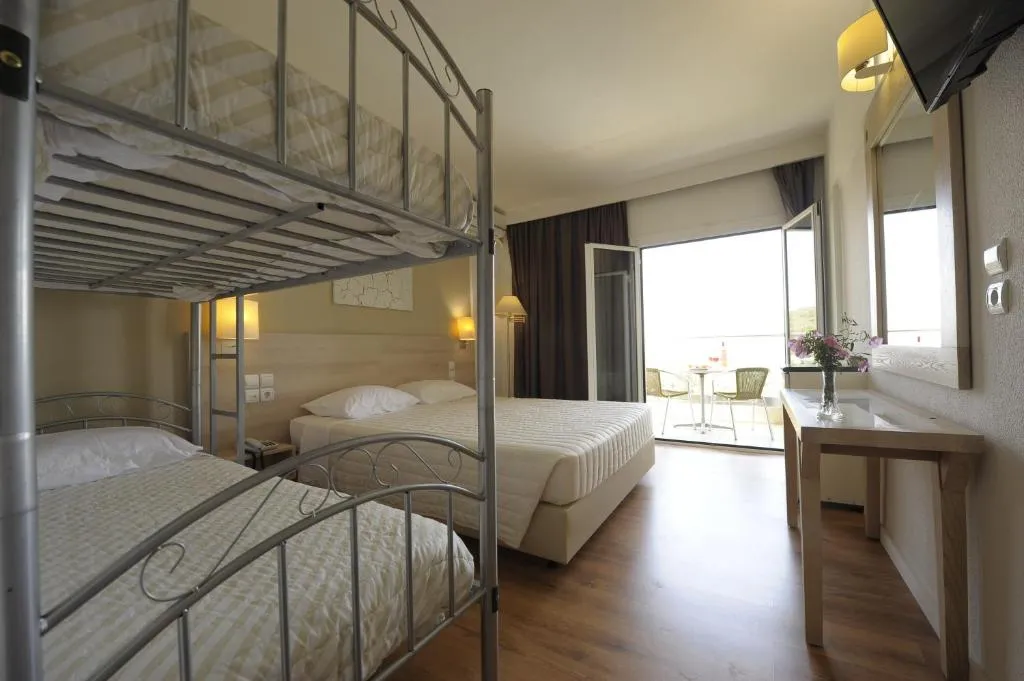
When multiple families travel together, renting a sprawling vacation home feels like the ideal solution. A seven-bedroom mountain chalet or a beachfront house with an expansive deck promises shared meals, late-night conversations, and built-in playmates for the kids. Upon arrival, a familiar ritual usually unfolds: parents unload groceries and claim master suites while children race through the hallways to claim beds, naturally gravitating toward the multi-tiered bunk room.
Yet multi-family rentals present structural hazards that standard hotel rooms rarely have. Unlike commercial hotel properties, which are subject to regular municipal inspections, uniform corporate safety mandates, and strict liability protocols, short-term vacation rentals are privately owned residential properties. Many feature DIY renovations, aging architectural elements, and furniture chosen for visual charm or maximum guest density rather than structural durability.
Two features in particular account for a staggering proportion of vacation injuries among children: bunk beds and elevated outdoor balconies. Protecting your travel group does not require living in fear or hovering constantly, but it does require an intentional five-minute inspection before anyone unpacks a suitcase.
The Structural Reality of Short-Term Rental Bunk Beds
Bunk rooms are marketing gold for vacation rental hosts. By stacking beds four, six, or eight high across a single room, owners can market a home as sleeping twelve or sixteen guests. Unfortunately, density often takes precedence over basic consumer safety standards.
Standard safety regulations mandate that children under six years old should never sleep on an upper bunk. Younger children lack the spatial awareness, depth perception, and coordination to navigate ladders in the dark, and their night awakenings carry a severe risk of roll-outs. Even for older children and teenagers, the build quality of rental bunk beds varies wildly from sturdy, commercial-grade hardwood to wobbly, flat-pack kits assembled by property managers who may have skipped critical structural steps.
The Guardrail Height and Mattress Trap
The single most common bunk bed defect in rental homes involves replacement mattresses. When original thin mattresses wear out, well-meaning hosts often replace them with plush, eight-to-twelve-inch pillow-top or memory foam mattresses to improve guest comfort.
This creates a serious, hidden danger. Safety guidelines require at least five inches of exposed guardrail above the top surface of the mattress. When an owner drops a thick mattress onto an existing frame, the top of the bed becomes nearly flush with the safety rail. The barrier that should prevent a rolling child from plunging four to six feet onto a hard floor is effectively reduced to a trivial lip.
Entrapment Zones and Loose Hardware
Beyond fall risks, bunk beds present entrapment hazards. The gap between the bottom edge of the guardrail and the mattress frame, as well as the spaces between ladder rungs, should not exceed three and a half inches. Anything wider creates an opening where a toddler’s torso can slide through while the head remains trapped.
Furthermore, high turnover means constant structural stress. Teenagers jump on frames, adults climb up to change linens, and fasteners gradually back out of soft pine or composite wood. A ladder that hooks loosely over a side rail without locking screws or brackets can slide sideways or kick out completely under a child’s weight.
Overhead Clearances and Ceiling Fans
In rooms with standard eight-foot ceilings, an elevated top bunk places a child dangerously close to the overhead space. Check the perimeter of the top bunk in relation to ceiling fans and light fixtures. A child sitting up quickly in bed should never be within arm’s reach of spinning fan blades, yet in cramped converted bedrooms, top mattresses are frequently positioned directly within the fan’s rotational radius.
Balconies, Decks, and Elevated Railings: What to Inspect
Elevated decks and multi-story balconies are primary selling points for scenic rentals, offering sweeping views of oceans, lakes, or valleys. However, residential exterior structures face relentless exposure to the elements and often hide serious vulnerabilities.
In coastal areas, salty, humid ocean air corrodes structural fasteners, bolts, and joist hangers from the inside out. In mountain areas, heavy snow loads and freeze-thaw cycles cause structural timber to split, rot, and weaken over time. Railings that look freshly painted or stained on the surface can easily mask severe dry rot at the base posts where they attach to the deck framing.
The Spindle Gap and “Ladder Effect”
Modern building codes require vertical balusters or spindles on guardrails to be spaced no more than four inches apart—roughly the diameter of a standard grapefruit or soda can. This standard exists specifically to prevent infants and small children from squeezing between the bars and falling.
In older homes, historic cabins, and unpermitted DIY renovations, baluster gaps frequently exceed five or six inches. Even more concerning are modern “ranch-style” or horizontal cable railings. While aesthetically sleek, horizontal rails act as an intuitive ladder for toddlers. A curious three-year-old can scale a horizontal cable railing in seconds, turning a protective barrier into a climbable climbing wall.
Patio Furniture as an Accidental Stepping Stone
Even when a balcony railing meets the standard thirty-six or forty-two-inch height requirement, the layout of the outdoor space can instantly defeat that protection.
Guests frequently push heavy wooden dining chairs, wicker loungers, side tables, or large coolers flush against the perimeter railing to maximize floor space for outdoor dining. To an unsupervised toddler, an Adirondack chair positioned against a balcony balustrade is a stairway to the top rail. Never leave outdoor furniture positioned within climbing distance of any elevated railing.
The Multi-Family Dynamic: Diffusion of Responsibility
Physical hazards only tell half the story. The social environment of a multi-family vacation introduces a psychological phenomenon that significantly increases the odds of an accident: the diffusion of responsibility.
When a single family is at home, parents know exactly who is watching the children. But when four or five couples gather in a rental kitchen with music playing, drinks flowing, and luggage being sorted, an implicit assumption takes hold. Every adult assumes that because several responsible people are in the room, someone else must be keeping an eye on the kids.
This environment allows toddlers to wander into unfamiliar bedrooms, locate unsecured sliding doors, or venture out onto second-story balconies without anyone noticing for minutes at a time.
Preventing accidents in a large group requires eliminating that ambiguity. Designate a single “on-duty” adult to monitor common zones and outdoor thresholds, rotating shifts just as you would when supervising a swimming pool. If you walk away to unpack a suitcase or take a phone call, explicitly transfer monitoring duty to another adult by name.
An Immediate Arrival Protocol for Your Stay
Before opening suitcases or letting children run through the house, run a five-minute safety sweep.
-
Assign beds intentionally. Establish a non-negotiable house rule: children under six sleep exclusively on bottom bunks or regular beds. If teenagers or older kids take the top bunks, verify that the guardrail stands at least five inches above the compressed mattress surface.
-
Test the bunk ladder and frame. Grab the top rail of the bunk bed and shake it firmly. If the entire frame shifts, creaks excessively, or wobbles, check the corner bolts. Verify that the ladder is permanently bolted in place and cannot slip free when weight is applied.
-
Inspect the deck perimeter. Walk out onto every balcony and give the railing a firm push outward. It should feel completely rigid with zero give. Check the base posts for soft, spongy wood or rusting lag bolts.
-
Rearrange the outdoor furniture. Immediately pull all tables, chairs, planters, and coolers at least three to four feet away from balcony railings to eliminate launchpads.
-
Locate and test secondary door locks. High-level sliding door latches, flip locks, and security bars are essential for keeping toddlers inside. If exterior access doors lack high-mounted security latches, make sure keys or manual latches are secured before letting children explore.
Vacation homes should be spaces for collective rest and connection, not emergency room visits. By conducting a systematic physical sweep within your first few minutes on site and establishing clear rules for shared supervision, you eliminate preventable hazards and ensure your entire group enjoys a safe, memorable getaway.
