
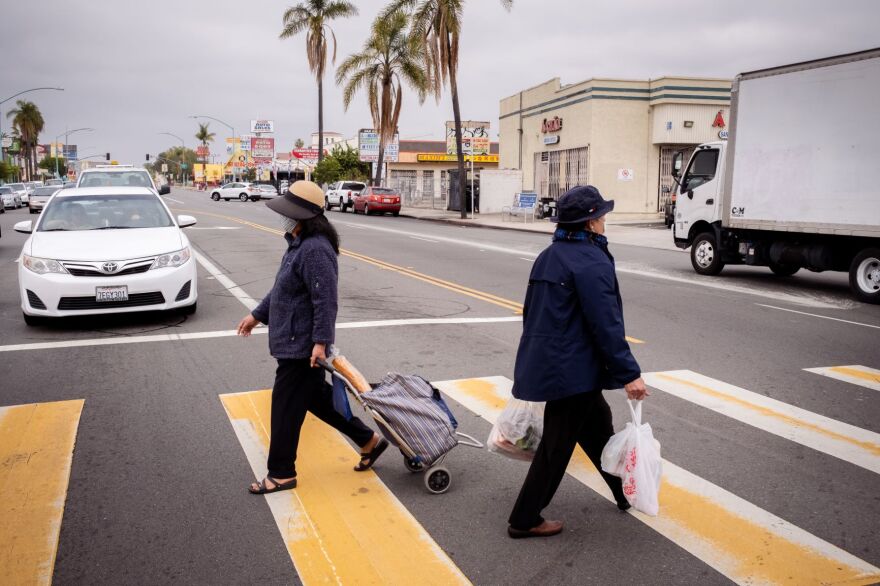
For decades Bangkok’s streets were designed primarily for vehicles, leaving pedestrians and cyclists to navigate narrow sidewalks and busy intersections. In recent years this model has begun to change. Urban designers and developers are embracing placemaking principles that put people at the center of their projects rather than cars. Wide footpaths, shaded boulevards and dedicated bike lanes are becoming standard features in new districts, encouraging residents to walk or cycle instead of drive.
This shift is evident in mixed‑use developments that reserve significant space for gardens, plazas and pedestrian plazas. Rather than dedicating prime real estate to parking lots, planners create inviting courtyards and community hubs where residents can meet, dine and attend events. Buildings are arranged around these communal spaces, with ground floors hosting cafés, shops and services that enliven the street. By reducing car traffic and lowering noise and pollution, these areas become more pleasant for strolling and socializing.
Connectivity is another focus. Elevated walkways and underground passages link housing, workplaces and transport hubs, enabling people to move quickly without crossing busy roads. Clear signage and universal design principles ensure that these paths are accessible to everyone, including those with mobility challenges. Public transit stops are integrated into the design, making it easier for residents to combine walking with rail or bus travel. The result is a network of safe, human‑scale routes that make daily tasks more enjoyable.
Greenery plays a vital role in these new developments. Tree‑lined avenues and pocket parks provide shade and help clean the air, while urban wetlands manage stormwater and create habitats for birds and insects. The presence of nature encourages people to spend time outdoors, whether they are exercising, playing with children or enjoying a meal in a courtyard. Seasonal markets, outdoor art exhibitions and cultural events held in these spaces further reinforce the idea that streets and plazas are for people first.
Safety features are another component of people‑centered design. Traffic‑calming measures such as speed bumps, raised crosswalks and narrow roadways slow vehicles and give priority to pedestrians. Well‑placed lighting, clear signage and tactile paving improve visibility and accessibility for people with disabilities. Comfortable seating and shaded rest areas encourage older adults and families to linger, making streets feel like extensions of living rooms rather than transit corridors. By paying attention to these details, planners create environments that cater to varied needs and promote social interaction.
Sustainability underpins many of these initiatives. Energy‑efficient building designs reduce consumption, while solar panels and other renewable technologies provide clean power for lighting and public amenities. Landscaped swales, rain gardens and permeable pavements help absorb heavy rainfall, reducing the risk of flooding during monsoon season. Public art and locally crafted elements integrated into architecture celebrate Thai culture and create a sense of place. As climate change introduces new challenges, flexible spaces and resilient infrastructure ensure that developments remain vibrant and functional for decades.
Prioritizing people over cars also supports local economies. When pedestrians feel safe and comfortable, they are more likely to stop and shop at small businesses, boosting neighborhood vitality. Reduced car dependency decreases traffic congestion and lowers emissions, contributing to a healthier environment. As Bangkok continues to grow, developments that focus on human experience demonstrate that cities can be both functional and pleasurable when design choices center on the needs of their residents.
