
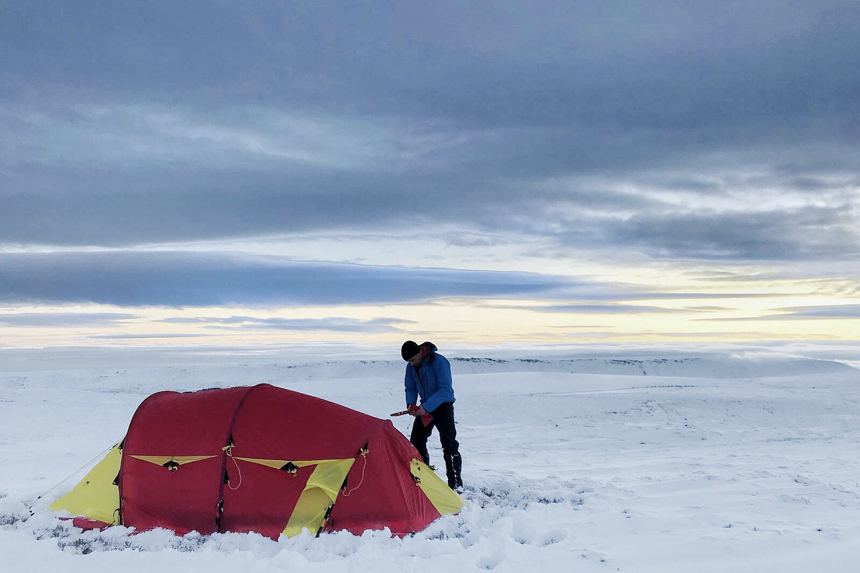
Adventure is no longer just about thrill-seeking or extreme sports. Today, adventure has evolved into a multifaceted experience, combining physical challenges, cultural exploration, personal growth, and sustainable travel. Modern adventurers seek authenticity, safety, and personalization while exploring new destinations. In this article, we delve into advanced insights, strategies, and trends in adventure travel that go beyond generic guidance.
1. Experiential Adventure Travel
Adventure travel today emphasizes immersion and meaningful experiences rather than mere sightseeing.
-
Cultural integration: Participating in local festivals, culinary experiences, and indigenous traditions.
-
Hands-on activities: Learning survival skills, local crafts, or traditional farming techniques.
-
Purpose-driven adventures: Combining travel with volunteering or environmental conservation projects.
Experiential travel appeals to modern adventurers seeking depth, connection, and lasting memories.
2. Extreme Sports and High-Adrenaline Activities
Extreme sports remain a cornerstone of adventure travel, but safety, technology, and accessibility have transformed how they are approached.
-
Innovative gear: Lightweight, durable, and smart equipment enhances safety and performance.
-
Structured training programs: Adventurers can engage in guided courses to prepare for activities like rock climbing, paragliding, or white-water rafting.
-
Risk management: Advanced risk assessment, GPS tracking, and emergency protocols minimize dangers while maximizing thrill.
Extreme sports now combine adrenaline with calculated safety, attracting both seasoned adventurers and newcomers seeking controlled challenges.
3. Adventure Tourism in Remote Destinations
Remote and lesser-known destinations offer unexplored landscapes and authentic cultural experiences.
-
Access strategies: Modern logistics, charter flights, and specialized transport make remote travel feasible.
-
Community involvement: Local guides and homestays provide insights and support local economies.
-
Conservation-driven exploration: Emphasis on leaving minimal impact and promoting eco-tourism.
Traveling to remote destinations transforms adventure into an exploration of both geography and culture.
4. Multi-Discipline Adventure Experiences
Combining multiple adventure disciplines creates hybrid experiences that challenge both body and mind.
-
Examples: Trekking combined with kayaking, mountain biking with paragliding, or climbing followed by scuba diving.
-
Skill development: Participants gain diverse skills while experiencing varied environments.
-
Customization: Multi-discipline adventures can be tailored to fitness levels, skill sets, and personal interests.
This approach attracts adventurers seeking variety and a holistic challenge rather than a single activity.
5. Adventure and Wellness Integration
Modern adventurers increasingly seek trips that combine physical challenges with mental well-being.
-
Mindful trekking: Incorporating meditation, yoga, or forest bathing during hikes.
-
Recovery-focused planning: Adventure schedules include rest, spa treatments, and nutrition optimization.
-
Nature therapy: Immersion in pristine landscapes promotes mental clarity and stress reduction.
Wellness-focused adventure emphasizes balance between thrill and rejuvenation, making experiences more sustainable.
6. Technology-Enhanced Adventure
Technology now plays a critical role in enhancing safety, planning, and immersive experiences in adventure travel.
-
GPS navigation and mapping apps: Ensure precise route tracking in unfamiliar terrains.
-
Wearable tech: Monitors heart rate, altitude, and physical exertion for safety and performance analysis.
-
Virtual pre-experiences: Augmented reality previews of routes or activities help in preparation and risk assessment.
Tech-enabled adventures attract modern travelers who prioritize safety without compromising exploration.
7. Adventure Travel for Families and Groups
Adventure travel is no longer limited to solo explorers or extreme enthusiasts. Families and groups are increasingly seeking shared adventures with structured safety measures.
-
Family-friendly expeditions: Tailored itineraries include accessible trails, guided activities, and educational experiences.
-
Group-oriented packages: Adventure challenges adapted for teams, corporate retreats, or social clubs.
-
Safety and supervision: Guides ensure safety protocols while facilitating engagement for all ages.
This trend makes adventure accessible while encouraging bonding, collaboration, and shared achievement.
8. Sustainable Adventure Practices
Sustainability is a key factor in contemporary adventure travel. Adventurers are increasingly conscious of environmental impact and cultural preservation.
-
Low-impact trekking and camping: Minimizing waste, using eco-friendly gear, and leaving no trace.
-
Supporting local economies: Hiring local guides, purchasing from local businesses, and staying in community-based lodgings.
-
Conservation participation: Engaging in reforestation, wildlife monitoring, or coastal cleanups as part of the adventure.
Sustainable practices ensure adventure remains ethically responsible and environmentally friendly.
9. Adventure Travel and Personal Growth
Adventure is now seen as a tool for self-discovery and personal development.
-
Challenges and resilience: Physical and mental challenges cultivate problem-solving skills and confidence.
-
Mindfulness and reflection: Solitude in natural environments promotes introspection and mental clarity.
-
Leadership and teamwork: Multi-participant adventures foster communication, collaboration, and leadership skills.
Personal growth is a core motivator for modern adventurers seeking meaningful and transformative experiences.
10. Adventure Travel Trends and Future Directions
Adventure travel continues to evolve with emerging trends shaping its future.
-
Hyper-personalization: Tailoring experiences based on fitness, skill level, and personal interests.
-
Adventure micro-trips: Short, intensive trips designed to fit into busy schedules without sacrificing experience.
-
Integration with digital platforms: Booking, planning, and sharing experiences through immersive apps and social networks.
-
Virtual adventure communities: Online platforms connecting adventurers for shared experiences, challenges, and knowledge exchange.
Understanding these trends enables adventurers and travel providers to stay ahead in a competitive and dynamic market.
FAQ Section
Q1: How can adventure travel be both thrilling and safe?
By using proper gear, guided courses, risk assessment, and technology like GPS tracking, adventurers can minimize risks while enjoying high-adrenaline activities.
Q2: What defines experiential adventure?
Experiential adventure emphasizes immersion in culture, meaningful interaction, and skill acquisition, rather than just physical challenges.
Q3: Are remote destinations suitable for first-time adventurers?
Yes, with proper planning, local guides, and structured itineraries, even first-time adventurers can safely explore remote regions.
Q4: How does wellness integrate with adventure travel?
Wellness integration involves mindfulness practices, recovery sessions, and nature therapy alongside physical adventure activities.
Q5: Can technology replace traditional guides in adventure travel?
While tech enhances safety and planning, professional guides provide expertise, cultural context, and real-time support that technology cannot fully replicate.
Q6: What are some sustainable practices for adventure travelers?
Practices include eco-friendly gear, low-impact camping, supporting local communities, and participating in conservation efforts.
Q7: How can adventure travel contribute to personal growth?
Facing challenges, collaborating in teams, and reflecting in natural environments help adventurers develop resilience, confidence, and leadership skills.
