
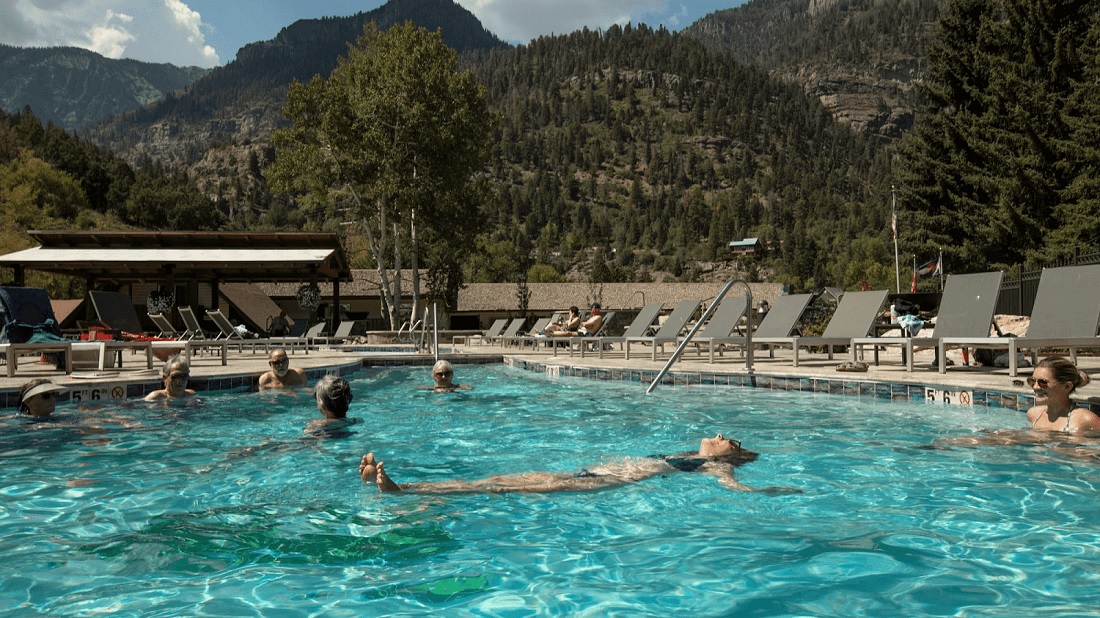
Traveling to the mountains requires a very different approach to packing compared to a city escape or a beach holiday. When planning your stay in the Rockies, knowing what to bring makes your trip not only more comfortable but also more enjoyable. That is why following a reliable resource like the Twin Peaks Packing Guide helps you prepare for every detail of your adventure. From layering strategies to must-have gear, this article breaks down everything you should include in your suitcase to make the most of your stay.
“We combine small-town hospitality with world-class amenities to give our guests an unforgettable stay,” says the Twin Peaks team. With that level of care and service, you want your packing to match the quality of your trip.
Clothing Essentials for the Mountain Climate
Mountain weather can change in minutes. A sunny morning may turn into an afternoon rain shower followed by a chilly evening. To stay comfortable, pack clothing that allows for layering.
Base Layers
-
Moisture-wicking T-shirts or long-sleeve tops made of merino wool or synthetic fabrics.
-
Thermal leggings if you plan on hiking at higher elevations or during colder months.
Mid Layers
-
Lightweight fleece jackets that trap body heat without adding bulk.
-
A down or synthetic insulated vest for extra warmth when temperatures dip.
Outer Layers
-
A waterproof and windproof shell jacket.
-
Durable hiking pants that can resist light rain and offer flexibility.
Having these layers ensures you can adapt to rapid weather shifts without discomfort.
Footwear for Comfort and Safety
The terrain around Twin Peaks ranges from paved paths to rugged mountain trails. Packing proper footwear prevents blisters and enhances safety.
-
Sturdy hiking boots with ankle support are a must for trails.
-
Comfortable sneakers or casual walking shoes for exploring town.
-
Sandals or flip-flops for relaxing in the lodge hot tub or spa area.
-
Wool or synthetic hiking socks to keep feet dry and blister-free.
Consider breaking in new hiking boots before your trip to avoid painful first-day hikes.
Accessories You Shouldn’t Forget
It is often the smaller items that make the biggest difference during your mountain getaway.
-
Hat and Sunglasses: High-altitude sun can be intense, even on cool days.
-
Gloves and Beanie: Even summer evenings in the mountains can feel chilly.
-
Daypack: A small backpack for carrying water, snacks, and layers during excursions.
-
Refillable Water Bottle: Staying hydrated is critical at higher elevations.
-
Headlamp or Flashlight: Trails and pathways may be dimly lit at night.
These essentials keep you prepared for both comfort and safety.
Toiletries and Personal Care
Mountain air is fresh but can be dry. Proper toiletries will keep you feeling refreshed.
-
Sunscreen with SPF 30 or higher to protect from stronger UV rays at altitude.
-
Lip balm with SPF to prevent chapped lips.
-
Travel-sized lotion to fight dryness from cool air and sun exposure.
-
Bug repellent, especially if you plan on exploring wooded areas.
-
First-aid basics like adhesive bandages, blister pads, and antiseptic wipes.
While many items may be available locally, packing them in advance saves you both time and expense.
Outdoor Gear to Enhance Your Adventures
If you plan on immersing yourself in the great outdoors, a few specific gear choices make all the difference.
-
Trekking poles for stability on uneven terrain.
-
Binoculars for wildlife viewing.
-
Portable phone charger or power bank for long hikes.
-
Compact rain poncho that fits easily in your daypack.
-
Camera or smartphone with extra memory for capturing scenic views.
Being prepared with the right gear lets you enjoy the beauty of the Rockies without worry.
Packing Tips for Maximum Efficiency
Knowing what to bring is only half the challenge. How you pack makes travel easier.
-
Roll clothes instead of folding to save space.
-
Use packing cubes to keep layers organized and easy to access.
-
Pack heavier items like boots at the bottom of your suitcase.
-
Keep essential items like medications and snacks in your carry-on.
-
Leave a little room for souvenirs or local specialties you may want to bring back.
An efficient system ensures you spend less time digging through your luggage and more time enjoying your trip.
Experience Comfort at Twin Peaks
While preparing for your stay, remember that many amenities are provided directly at the lodge. Comfortable rooms, on-site dining, and a relaxing spa area mean you can leave some bulkier items at home. By relying on the Twin Peaks Packing Guide, you can focus on enjoying the blend of outdoor adventure and relaxing hospitality that defines the Twin Peaks experience.
FAQs About Packing for Twin Peaks
Q. Do I need to pack heavy winter clothes in summer?
A. Not usually, but a light insulated jacket and a warm layer are essential. Even in July, nights can be cool in the mountains.
Q. Can I bring my own food and snacks?
A. Yes, especially for hiking. Pack energy bars, trail mix, or dried fruit for quick energy. The lodge offers dining, but outdoor snacks are always handy.
Q. Is it necessary to pack hiking gear if I am not an experienced hiker?
A. Basic gear like good walking shoes, a water bottle, and sunscreen are helpful even for easy trails. Trekking poles and heavy boots are optional if you stick to shorter walks.
Q. What’s the best way to manage altitude adjustment when packing?
A. Include hydration essentials such as electrolyte tablets and plan on carrying a water bottle. Slow pacing and staying hydrated help most guests adapt easily.
Q. Do I need to bring my own spa essentials?
A. Towels and basic amenities are provided at the spa, but if you prefer personal items like specific skincare or swimwear, pack those for comfort.
