
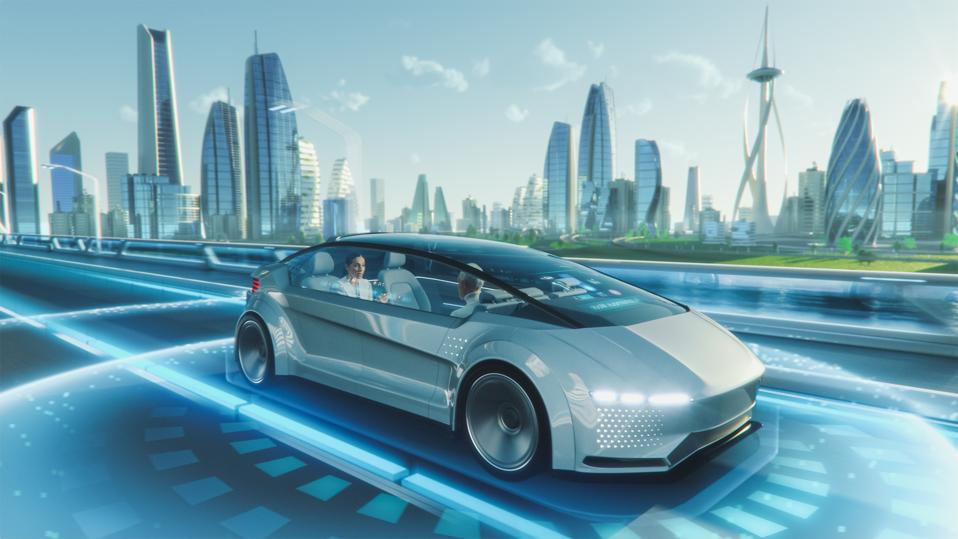
The automotive industry has experienced tremendous transformation over the last decade. Once dominated by traditional internal combustion engine vehicles, the sector is now seeing the rise of electric vehicles, autonomous driving technologies, connected cars, and advanced manufacturing processes. As global demand evolves, manufacturers and stakeholders face unique challenges and opportunities that are reshaping the landscape of mobility. This article explores cutting-edge developments, market dynamics, and forward-looking trends in the automotive sector.
Evolution of Automotive Technology
Electric Vehicles (EVs) and Hybrid Systems
The shift towards electric vehicles (EVs) is no longer a futuristic concept—it is actively reshaping the global automotive market. Governments worldwide are incentivizing EV adoption through subsidies, tax benefits, and strict emissions regulations.
-
Battery Innovation: Lithium-ion technology has dominated EV batteries, but solid-state batteries are emerging as the next frontier. These batteries promise faster charging, higher energy density, and improved safety.
-
Charging Infrastructure: Expanding charging networks remains crucial. Public fast-charging stations and wireless charging technologies are gaining traction to support urban and long-distance travel.
-
Hybrid Integration: Many automakers continue to offer hybrid models as a transitional step between combustion engines and full EV adoption, balancing performance with environmental compliance.
Autonomous Driving and AI Integration
Autonomous driving is a key disruptor in the automotive industry, promising enhanced safety, efficiency, and convenience.
-
Level 4 and 5 Autonomy: Companies are progressing beyond driver assistance systems towards fully autonomous vehicles capable of operating without human intervention in all conditions.
-
Artificial Intelligence (AI): AI-powered algorithms enhance decision-making, route optimization, and real-time hazard detection. Machine learning models improve vehicle performance by continuously analyzing driving patterns.
-
LiDAR and Sensor Systems: Advanced LiDAR, radar, and camera systems are crucial for accurate perception, enabling vehicles to navigate complex environments safely.
Connected Vehicles and IoT
Connectivity is transforming vehicles into smart, integrated systems. The Internet of Things (IoT) allows cars to communicate with each other, infrastructure, and even cloud platforms for enhanced functionality.
-
Vehicle-to-Everything (V2X) Communication: Enables real-time interaction with traffic signals, road conditions, and other vehicles, reducing accidents and congestion.
-
Predictive Maintenance: IoT sensors monitor vehicle health, enabling predictive maintenance that reduces downtime and extends vehicle lifespan.
-
Enhanced User Experience: In-car infotainment systems, personalized driving profiles, and seamless mobile integration improve driver satisfaction.
Manufacturing Innovations
Industry 4.0 and Smart Factories
Automotive manufacturing has embraced Industry 4.0 principles, integrating automation, robotics, and real-time data analytics.
-
Robotic Assembly Lines: Advanced robots perform precision assembly, welding, and painting, increasing efficiency while reducing human error.
-
Digital Twins: Virtual replicas of vehicles and production lines allow simulation of performance, maintenance, and process optimization before physical implementation.
-
Sustainable Practices: Manufacturers are reducing carbon footprints through energy-efficient production, recycled materials, and water conservation techniques.
Supply Chain Transformation
Global disruptions, such as semiconductor shortages, have highlighted the importance of a resilient supply chain in automotive manufacturing.
-
Localized Production: Companies are strategically placing production hubs closer to key markets to reduce dependency on long supply chains.
-
Just-in-Time vs. Just-in-Case: Manufacturers are balancing lean inventory strategies with contingency planning to mitigate disruptions.
-
Blockchain Integration: Secure, transparent tracking of components ensures authenticity, reduces fraud, and improves regulatory compliance.
Market Trends and Consumer Behavior
Sustainability and Eco-Conscious Consumers
Consumers are increasingly prioritizing sustainability in vehicle purchases. Electric and hybrid vehicles, lower-emission engines, and recyclable materials appeal to environmentally conscious buyers.
-
Green Certifications: Vehicles with energy-efficient ratings, carbon offset programs, and eco-friendly production methods attract premium segments.
-
Shared Mobility: Ride-sharing and car subscription models are reducing the total number of vehicles while meeting transportation needs efficiently.
Global Market Expansion
Emerging markets, particularly in Asia and Africa, are experiencing rapid automotive growth. Manufacturers are customizing products to meet regional requirements:
-
Affordable EV Options: Companies are developing budget-friendly electric vehicles to penetrate price-sensitive markets.
-
Local Manufacturing Partnerships: Collaborations with local suppliers reduce costs and enhance market adaptability.
-
Infrastructure Investment: Expansion of charging networks and service centers is critical for market adoption.
Challenges Facing the Automotive Industry
Regulatory Compliance and Safety Standards
Stringent regulations on emissions, safety, and autonomous vehicle testing present compliance challenges. Manufacturers must invest in research, certification processes, and safety validation to meet global standards.
Technological Integration and Cybersecurity
With connected and autonomous vehicles, cybersecurity becomes a major concern. Protecting vehicles from hacking, data theft, and system manipulation requires robust encryption, secure software updates, and constant threat monitoring.
Cost and Resource Constraints
Advanced technologies, such as solid-state batteries, LiDAR sensors, and AI systems, are expensive to develop and implement. Resource constraints, including rare earth metals for batteries, pose supply chain risks and increase production costs.
Opportunities in the Automotive Sector
Mobility-as-a-Service (MaaS)
The shift from vehicle ownership to mobility services creates new business models:
-
Ride-Sharing and Fleet Services: Companies like Uber, Lyft, and regional equivalents capitalize on the demand for convenient urban mobility.
-
Subscription Models: Monthly subscriptions for vehicles offer flexibility and access to premium cars without long-term ownership.
-
Integration with Public Transport: Smart cities are integrating MaaS with public transport, reducing congestion and environmental impact.
Advanced Materials and Lightweight Construction
Innovative materials like carbon fiber composites, high-strength steel, and aluminum alloys reduce vehicle weight, improve fuel efficiency, and enhance performance.
-
Energy Efficiency: Lighter vehicles consume less energy, whether fuel or electricity, boosting sustainability.
-
Enhanced Safety: Advanced materials improve crashworthiness without compromising performance.
-
Design Flexibility: Lightweight materials enable innovative automotive designs and aerodynamic improvements.
Artificial Intelligence and Data Analytics
Data-driven decision-making is revolutionizing vehicle design, predictive maintenance, and customer experience. AI can analyze driving behavior, traffic patterns, and vehicle performance to provide actionable insights for both manufacturers and users.
-
Personalized Driving Experience: AI adjusts vehicle settings, infotainment, and navigation based on driver preferences.
-
Operational Efficiency: Fleet operators can optimize routes, reduce fuel consumption, and schedule maintenance proactively.
-
Product Development: Data analytics inform design improvements and new feature development based on real-world usage patterns.
Future Outlook
The future of automotive is defined by sustainability, connectivity, automation, and innovation. Collaboration between manufacturers, technology companies, governments, and consumers will determine the pace of adoption and integration of emerging trends. The rise of electric vehicles, autonomous systems, and smart manufacturing presents an exciting opportunity for a more efficient, safe, and eco-conscious mobility ecosystem.
As the industry evolves, companies that strategically invest in technology, embrace sustainability, and respond to consumer demands will lead the next wave of automotive innovation.
FAQ Section
1. How soon will fully autonomous vehicles become mainstream?
Fully autonomous vehicles are expected to reach broader adoption within the next decade, though regulatory approval and infrastructure development will vary by region.
2. What are the main challenges in EV battery production?
Challenges include sourcing rare earth metals, ensuring energy density, improving charging speed, and managing battery recycling and disposal.
3. How does IoT improve vehicle performance?
IoT enables real-time monitoring, predictive maintenance, and data-driven enhancements to safety, efficiency, and user experience.
4. What role does AI play in modern vehicles?
AI optimizes driving decisions, enhances safety systems, personalizes user experience, and supports autonomous vehicle functionality.
5. Why are lightweight materials important in vehicle manufacturing?
Lightweight materials improve fuel efficiency, reduce emissions, enhance safety, and allow innovative design flexibility.
6. How is the automotive industry addressing sustainability?
Through electric and hybrid vehicles, green manufacturing processes, recyclable materials, and energy-efficient production practices.
7. What is Mobility-as-a-Service (MaaS)?
MaaS is a model offering flexible access to transportation through ride-sharing, subscriptions, and integration with public transport, reducing the need for vehicle ownership.
