
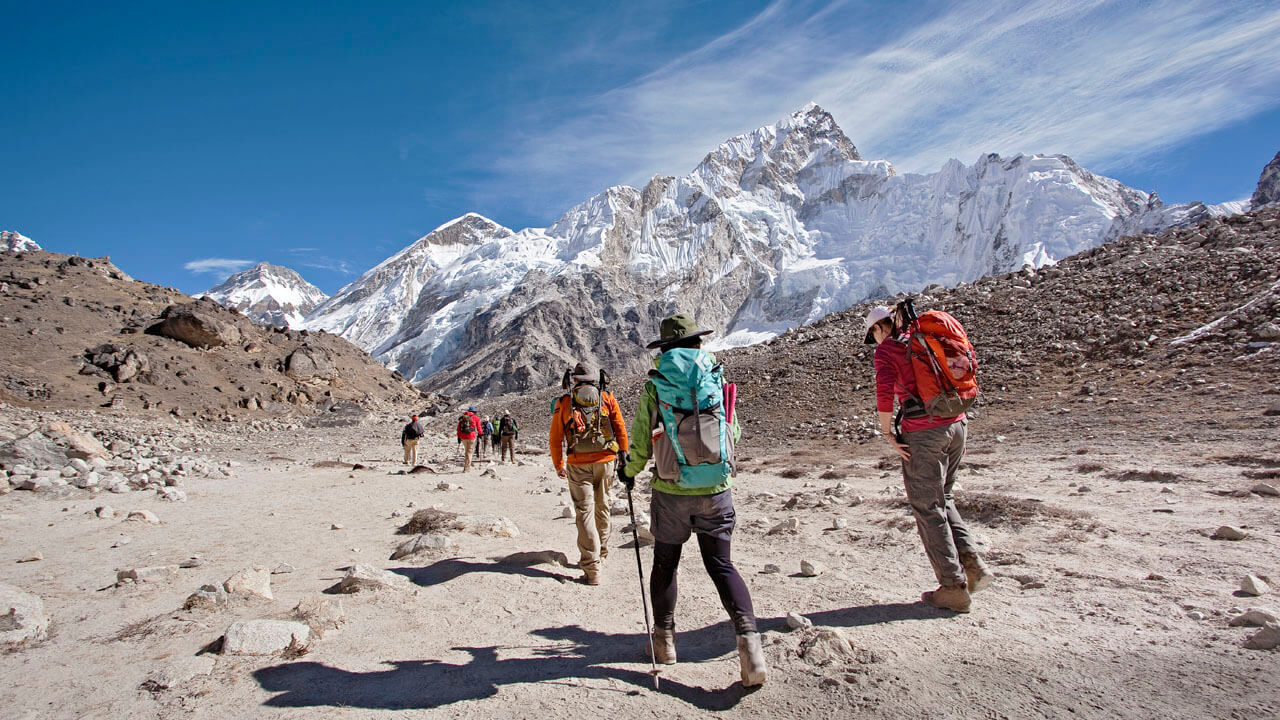
Everest Base Camp Treks Considered a dream destination for many people, the Everest base camp can be tagged as the adventure of a lifetime, which delivers some of the most breathtaking views of the highest mountain in the world. Yet this trek is not without its difficulties—altitude sickness, physical strain, the variability of a mountain climate, and anxieties about what lies ahead may all push people to the brink of what they believe to be possible for themselves. Confronting, even managing your fear, is part of the experience; thus , knowing how to work with them can help transform the trek from an overwhelming ordeal to a monumental achievement.
Acknowledge Your Fears
The fear of fear makes you vulnerable. To defeat fear, you first have to know it. Whether you’re fearing altitude sickness, injury, or simply not being able to complete the trek, brushing aside those emotions only ends up magnifying them. Get your fears on paper ahead of the journey. By giving them names, you take away some of their power, and you become able to address them with a solution or coping technique.
Get Yourself in the Right Frame of Mind And Body
Mount Everest Base Camp Trek Preparation breeds belief. Get your body ready for the challenges of high-altitude trekking by working on cardiovascular endurance, leg strength, and hiking with a loaded-up backpack. Meanwhile, equally important is the mental preparation. Exercising mindfulness, meditation, or imagery exercises can help you keep anxiety in check and stay cool under pressure. Visualise your success and reaching Base Camp, holding that winning photo under Everest.
Learn About the Trek
Fear is often born from the unknown. Read up on the route, the villages you’re passing through, what altitude does to your body, and what you can expect each day. You feel less anxious and more in control when you know what to expect. Watch documentaries, read blogs, and join forums to listen to real-life tales of travelers. You will draw comfort in knowing that many others had the same fears and have experienced them as well.
Travel with Supportive People
The right company can be all the difference in the world. Whether you do a guided tour or walk with friends, teaming up will give you moral support and added incentive. This is where knowledgeable guides, in particular, can provide valuable knowledge and reassurance. A helpful nudge will do you wonders in times of fear or doubt.
Take It One Step at a Time
The EBC trek is at least 12-14 days long, and it’s normal to feel overwhelmed. Instead of obsessing over the peak or the distance yet to go, concentrate on the day’s journey. Celebrate small successes: reaching Namche Bazaar, getting beyond 4,000 meters, or even the fact that you wake up in the morning and you feel well. Progress builds confidence.
Respect The Mountain, But Trust Your Gut
Fear serves as a reminder of what we can’t do, not what we can’t. The Himalayas are to be respected, not tamed. Acclimatize well, listen to your body, and don’t be afraid to turn back when needed. Triumph isn’t always arriving at Base Camp — sometimes it comes down to making the right choices in the face of fear.
Conclusion
The Everest Base Camp trek is more than a test of your body; it’s a test of your mind and spirit , fighting your demons. But with the right preparation, support, and resilience, those fears turn into stepping stones in the path toward personal triumph. Ultimately, it’s not just being in the shadow of Everest — it’s learning about the power that has always been inside of you.
Knowing what to expect (psychologically) from the trek
Trekking to Everest Base Camp is not only a test of your physical strength, but it’s a mind game. The long days, different altitudes, and fickle weather can be pretty taxing for even the most experienced travelers. Fear, doubt, or moments of emotional exhaustion are normal. And knowing these psychological roadblocks are normal parts of the experience can help you prepare mentally and frame the trek with an appropriate and resilient mindset.
Acknowledging And Addressing Your Fears
We all have our fears of high-altitude trekking: altitude sickness is a big one for everyone, but others might be afraid of not making it to the top or of being the… slowest one in the group. Instead of burying these emotions, recognize them. Write them down, bring them out into the open, and confront them. To name your fears is to first of all confront them, defang the m and begin to turn the tables on them, to move from anxiety toward anticipation.
The Physical Prep: How to Build Strength and Increase Stamina
It’s your number one asset on the trail, your body. Getting ready physically increases your confidence and reduces your fear of not being able to manage. Concentrate on cardio, lower body, and endurance training–specifically hiking with a weighted pack. Going for walks up and downhill, stair climbing, and long hikes with elevation gain will prepare your body for the demands of the trail.
Mental Toughness and Anxiety: How to Improve Your Mental Game without Mind Games.
Exercise your mind as well as your muscles. The mental side is about creating that resilience, controlling the stress, and maintaining a good attitude when everything looks hard. Strategies such as visualization, meditation, or journaling can be used to lower anxiety and boost self-confidence. Now, envision yourself at Base Camp. Visual reinforcement aids you in turning your mind away from fear and toward determination.
Altitude Awareness: Dealing with a Fear of Heights
Himalayan Base Camp Trek The fear that takes a front seat on the EBC trek is the fear of altitude sickness,n ot to be underestimated either. But with the right precautions, it’s possible to manage. Know the risk factors, recognize the symptoms, understand the vital importance of acclimatization, and don’t try to rush the journey. Fear is the result of ignorance, so learn all you can. Listen to your body and ease off if you need to, but trust your body. Altitude is an obstacle, but not an obstacle.
Gearing Up: How the Right Gear Builds Confidence
Carrying the right gear can make a huge difference in how confident and safe you feel while on the trail. Sure, reliable footwear, layered clothing, a good backpack, and a headlamp or trekking poles aren’t just models of physical support, but they can also help stem anxiety about all that could go wrong. When you have gear that fits you well, you’re not second-guessing every step of the way, you’re paying attention to what it feels like, not on how much your feet hurt or how hard it is to breathe.
Hiking with Assistance: Finding the Right Team or Guide
Not only are you not by yourself in this — you shouldn’t be. Whether you go with friends, on a group tour, or hire a local guide, the right support system will keep fear at bay. And a skilled guide not only follows the path, but also provides mental security and helps you make the most important choices. The collective good-humour and moral support of friends can change fright into forward momentum.
Daily Strategies: Leading Fear by the Hand
Everest Base Camps. If you’re looking too far ahead, the Everest Base Camp trek can seem formidable. You won’t know how to do it, and you might not even know where to begin, but the not knowing is the word I’ve got for you today, because the answer is simply to break it down — one step, one breath, one day at a time. Concentrate on small victories, such as making it to the next tea house or grinding through brutal climbs. Employ mindfulness, deep breathing, and positive self-talk to stay present and grounded.
Training from the Source: Juicing with the Slauson Boys – eBook
Sometimes the greatest motivation comes from those who’ve been where you’re going. Read or view stories from trekkers who have confronted and conquered their fears, such as those who were terrified of heights, had difficulties hiking at altitude, a nd nearly turned back but pressed ahead anyway. These are real stories from real people that teach us that fear is part of the process, and so is determination.
Embrace the Journey: How to Let Go of Fear and Be an Empowering Influence on the World
Everest Base Camp Trek Cost Fear doesn’t have to be your enemy; it can become your greatest teacher. As you walk through forests and across swinging bridges and up into thin air, you will be afraid — but you will also feel proud and awed, and you will learn something profound about yourself. Each difficulty you surmount on this trek is a trophy to your strength. When you get to Everest Base Camp, it’s not just a physical victory — it’s a personal victory.
How Do I Get Ready for Everest Base Camp?
Physical Preparation:
Begin training at least 2–3 months before the race. Focus on:
Cardio: Running, cycling, and stair climbing to improve endurance.
Strength: Leg and core exercises to manage long hikes and uneven terrain.
Training Hikes: Take several hour-long hikes wearing a loaded backpack.
Mental Preparation:
The journey is mental. Prepare by:
Googling the route and what to expect every day.
Being mindful or doing breathing exercises.
Being realistic, progress is slow and steady after all.
Logistics & Gear:
Get the gear: Quality hiking boots, layered clothing, a sleeping bag, and trekking poles.
Acclimatize: Pick a trek with built-in rest days.
Travel Insurance: Be sure to have insurance that covers high-altitude trekking and emergency evacuation.
Is Everest Base Camp Trek Dangerous?
There are risks, yes, but they can be mitigated with planning and awareness.
Main risks include:
Altitude sickness (AMS): Fit or unfit, the statistical chances are the same. All those acclimatization days are necessary.
Weather shifts: A surprise snowfall or rain shower can bring delays or a slippery trail.
Injuries: You may slip or strain on rocky trails or fall.
Risk Management Tips:
Consider finding a trusted guide or trekking agency.
Take it easy, drink plenty of water, and listen to your body.
If symptoms of altitude sickness start to appear, don’t feel guilty about descending.
How Fit Do I Need to Be for Everest Base Camp?
Trek to Base Camp Mount Everest You don’t need a marathon runner’s legs, but a respectable level of fitness is a must.
You should be able to:
Visit 5–7 hours a day for multiple days.
Walk with a light rucksack (6-10 kg) on trek.
Tackle tough climbs and descents on rocky or uneven trails.
If you are able to do full-day hikes with an ascent gain (500 to 700m) without much effort, you’re fine. And, of course, it’s not about speed, so pace yourself and remember, it’s not a race; it’s about pacing and endurance.
What Kind of Challenge Is Everest Base Camp?
With training and determination, the EBC route is tough, but all but the very weakest fit people can make it there.
Challenges include:
Extreme altitude (up to 5,364 meters / 17,598 feet).
The journeyMany days of hard trekking (12-14 days total, depending on the route).
ESSENTIALS: Tea houses are basic, and few have heat or toilets.
Thin air: Makes doing things that require physical effort more difficult the higher you climb.
But the good news?
Thousands of trekkers, ranging from the young to the old, experienced to first-timers, manage to complete it each year. You can do it too, with the proper mindset, training, and support.
